Build plans / Classroom Wall Mirrors
Classroom Wall Mirrors
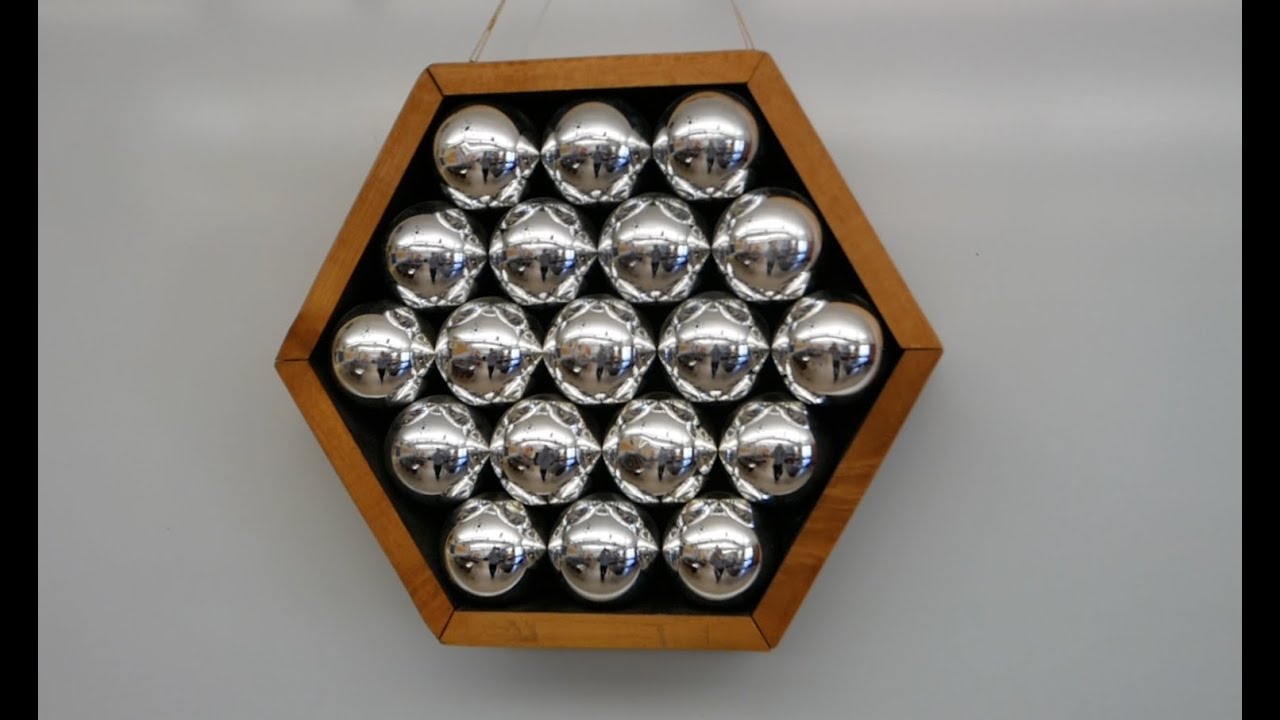
Bruce frames a large concave mirror, a large convex mirror and a homemade multi-mirror made from 21 ornament balls so they can hang on the classroom wall. They work as constant points of interest and as ready-to-grab tools when the class studies flat, curved and multiple reflections.
Written from Bruce's original workshop handout. Bruce's final review of this plan is in progress.
What it shows
Three mirrors on the wall, three different versions of you: magnified, shrunk, and repeated twenty-one times.
Key ideas: concave mirrors, convex mirrors, reflection, potential and kinetic energy
Build it
Cut the concave mirror back
Cut an octagon from 1/2 in plywood slightly larger than the concave mirror. The octagon is easier to cut than a circle and looks neat on the wall.
Groove the support blocks
Cut a groove in each wood block wide enough to accept the edge of the mirror.
Mount the concave mirror
Set the mirror on the plywood and position the grooved blocks around its edge. Screw the blocks to the plywood with wood screws so they grip the mirror without squeezing it.
Mount the convex mirror
Cut a second plywood octagon for the convex mirror and hold the mirror in place with plastic mirror clips screwed around the edge.
Prepare the multi-mirror base
Drill 21 holes in a piece of plastic foam in a tight, evenly spaced pattern, sized to fit the neck of each ornament, where the hanging cap normally goes.
Set the ornament balls
Remove the hanging caps, put a little glue on each neck, and press each ball into its hole so all the balls sit at the same height.
Frame the multi-mirror
Build a wood frame that fits around the outside of the ball array. Paint the inside of the frame black so it does not show in the reflections.
Finish and hang
Attach hanging hardware to the backs and hang each mirror at a height where students can see themselves.
How it works
A flat mirror reflects light so the image appears the same size and as far behind the mirror as the object is in front.
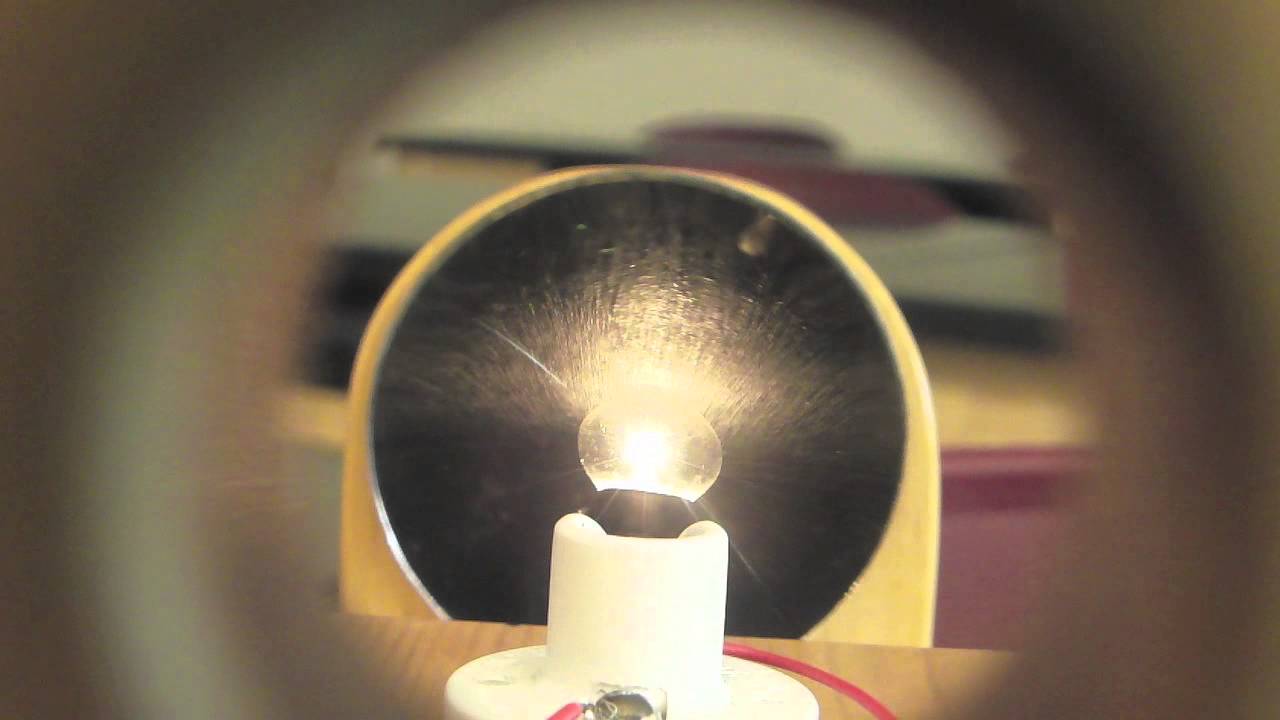
A concave mirror curves inward and gathers light toward a focal point. Up close it shows an enlarged, upright image; farther away than the focal point it shows a smaller, upside-down image.
A convex mirror bulges outward and spreads reflected light, so it always shows a smaller, upright image with a wide field of view, like a store security mirror.
Each ornament ball is a small convex mirror. Because the 21 balls face slightly different directions, each shows its own small reflection of the same scene from a slightly different angle.
Using it
- Have students walk slowly toward the concave mirror and find the point where their upside-down image flips upright.
- Compare how much of the room each mirror shows and connect the convex mirror to car side mirrors and store mirrors.
- Look into the multi-mirror and count how many of you appear. Ask why each image shows the room from a slightly different viewpoint.
- Lay the concave mirror flat on its back and roll a ball back and forth across it to show potential energy changing to kinetic energy and back.
Variations
- The multi-mirror can be built in any size; more, smaller balls give more images.
- Mount a flat mirror in a matching octagonal frame so all three types of mirror hang side by side.
Troubleshooting
More build plans
Adjustable Angle Mirrors
Close the angle between two mirrors and one line on a card becomes three, five, seven, even eleven copies.
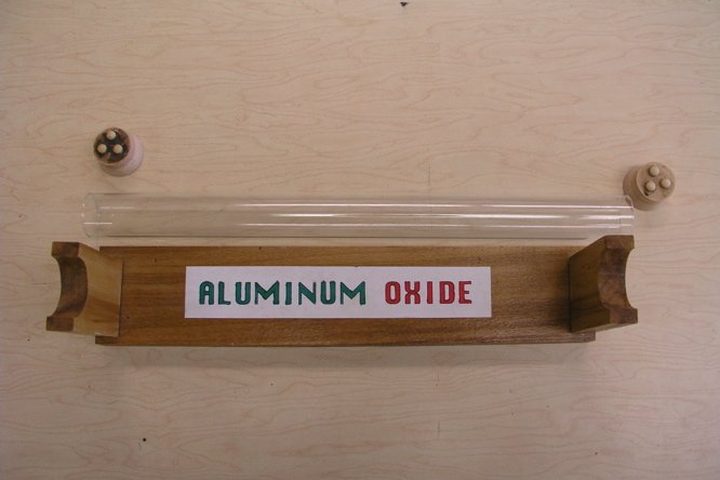
Water Lens Word Flip
Fill a clear tube with water and one word on the sign turns upside down while the word next to it stays perfectly readable.
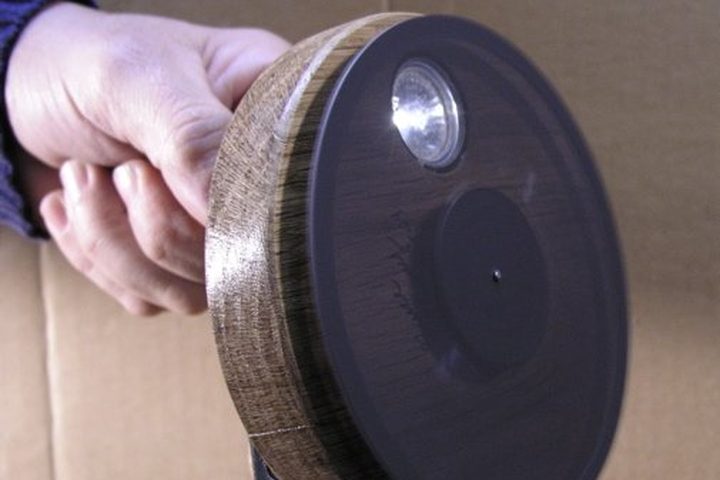
Hand-Held Strobe Light
A flashlight shining through a spinning slotted disk can freeze a dripping faucet, a vibrating string or a bouncing ball in mid-air.
© Bruce Yeany · Homemade Science with Bruce Yeany · youtube.com/@YeanyScience
Free for personal and classroom use. Please don't resell or republish. Build and use at your own risk; follow the safety notes and supervise children.