Experiments / Balancing Toys
Balancing Toys
How can a butterfly balance on the tip of your finger?
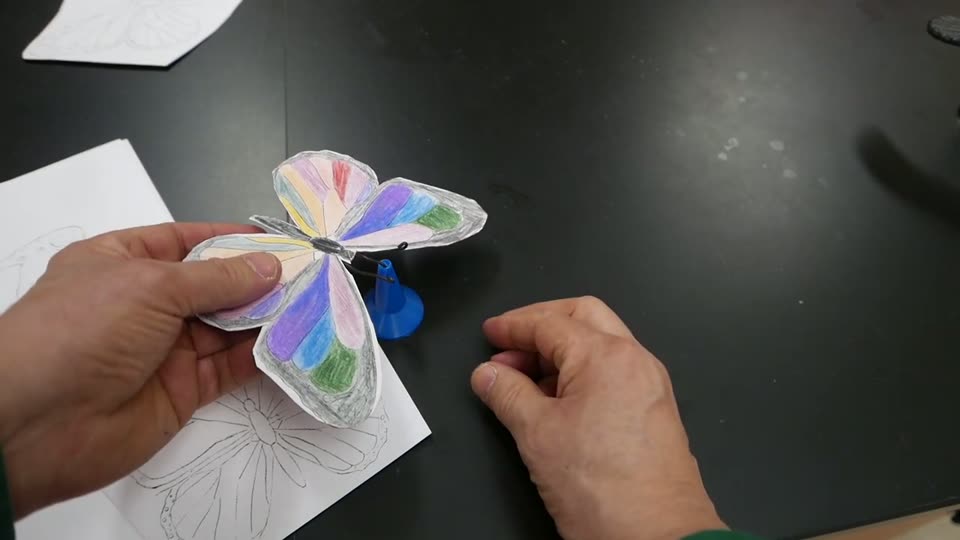
Make a cardboard butterfly that sits on your fingertip by its head and won't fall off, even when you tap it.
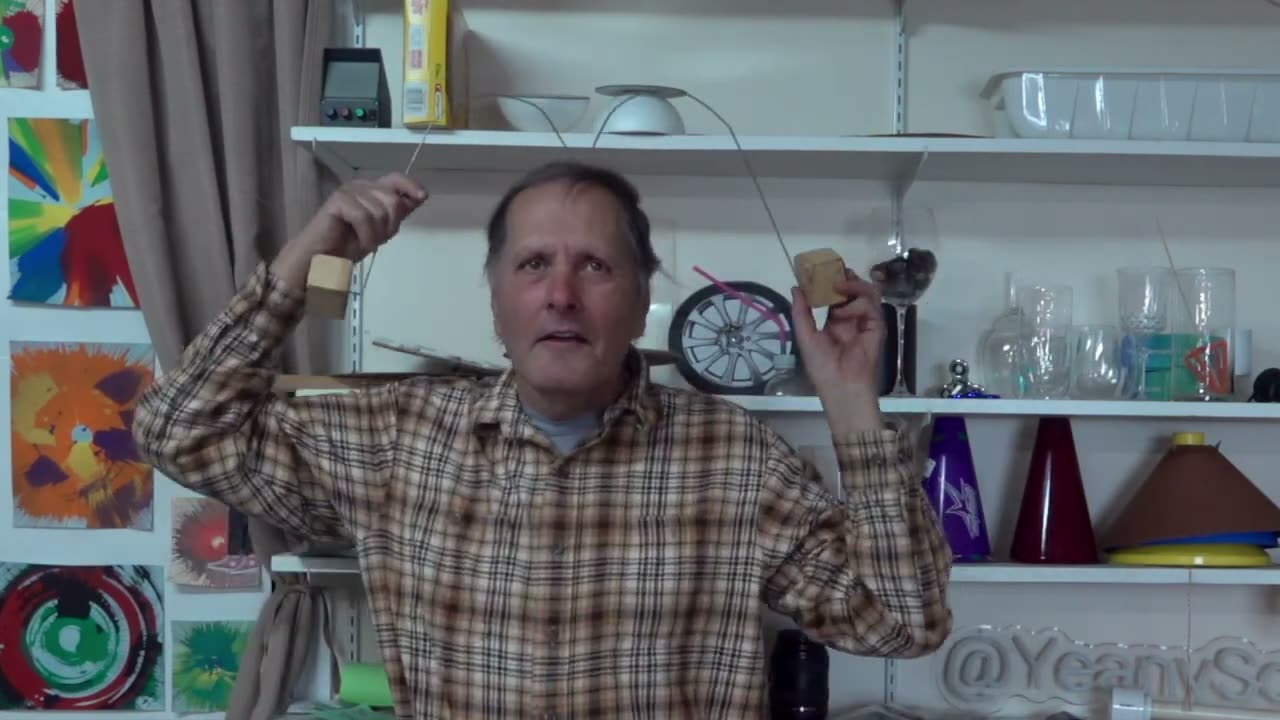
Based on Bruce's demonstration in the video below.
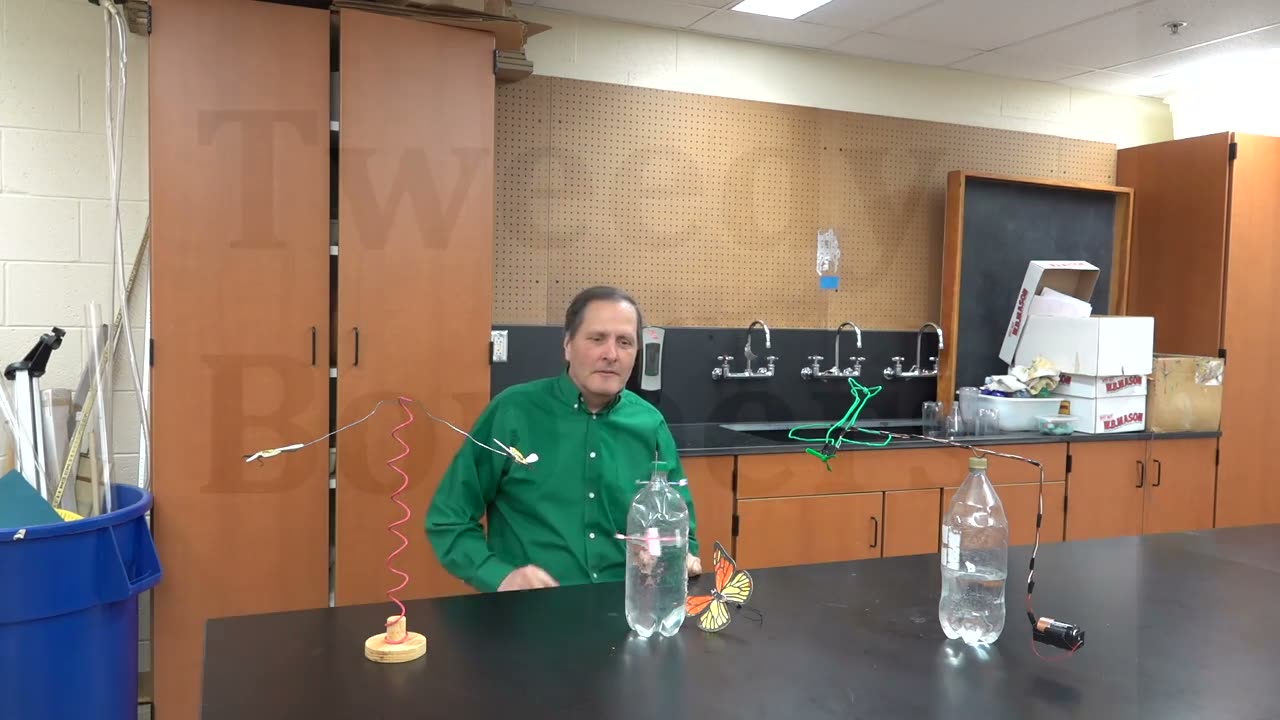
You'll turn a butterfly picture, a piece of cardboard and two washers into a toy that balances on just one point: the tip of its head. It looks like it should tip straight over, but tap it and it rocks back to where it started.
“These eagles are popular balancing toys. Their center of gravity is located at the beak.”
Build it
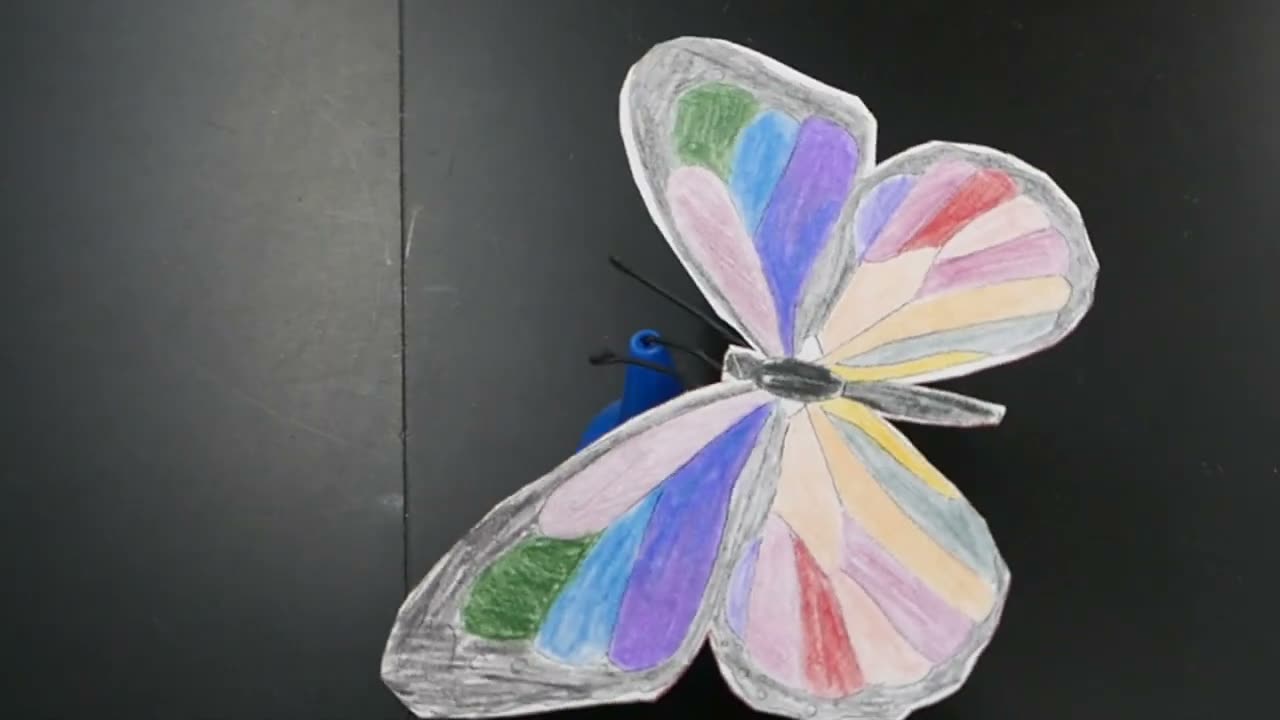
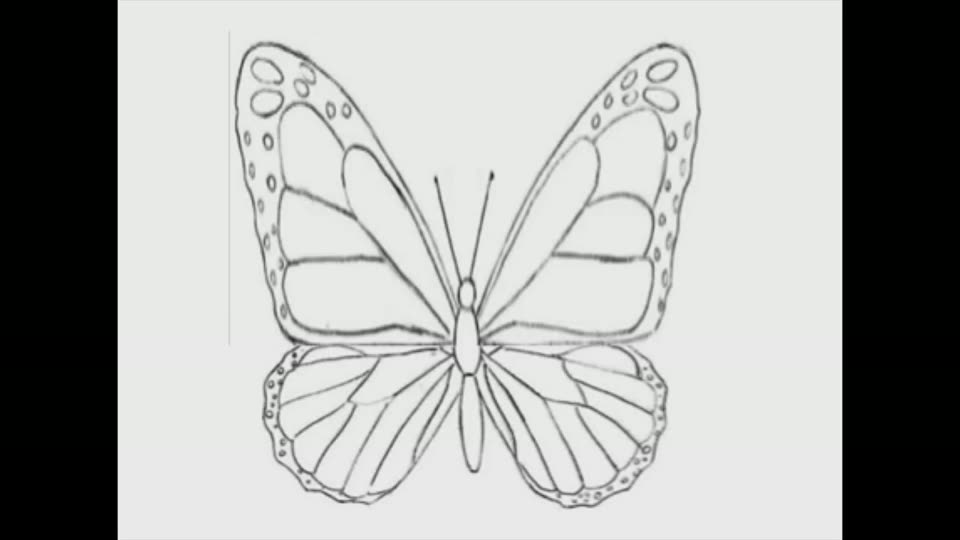
Draw or print a butterfly with its wings stretched forward, so the wingtips reach out in front of its head.
Glue the picture onto the heavy cardboard or card stock.
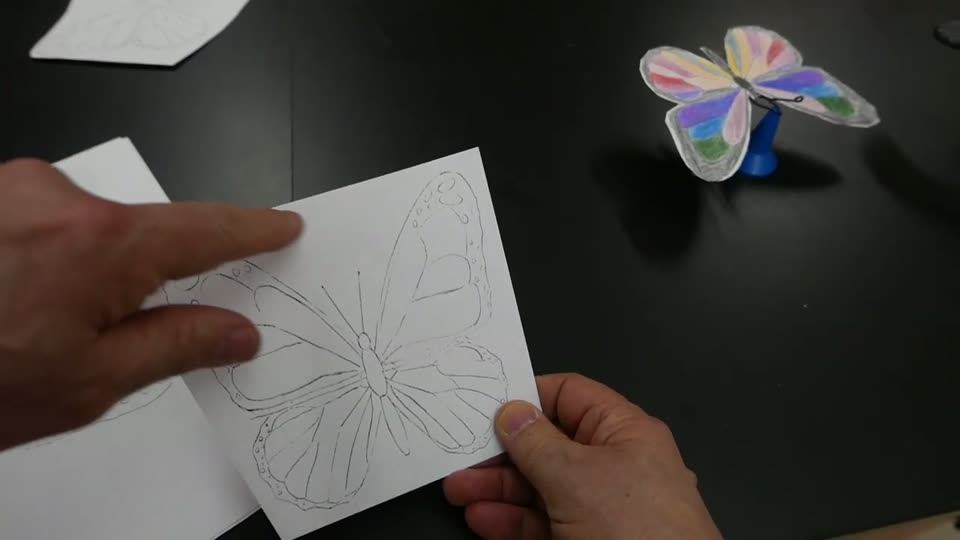
Cut out the butterfly with scissors. If your cardboard is thick, a grown-up should do this cut.
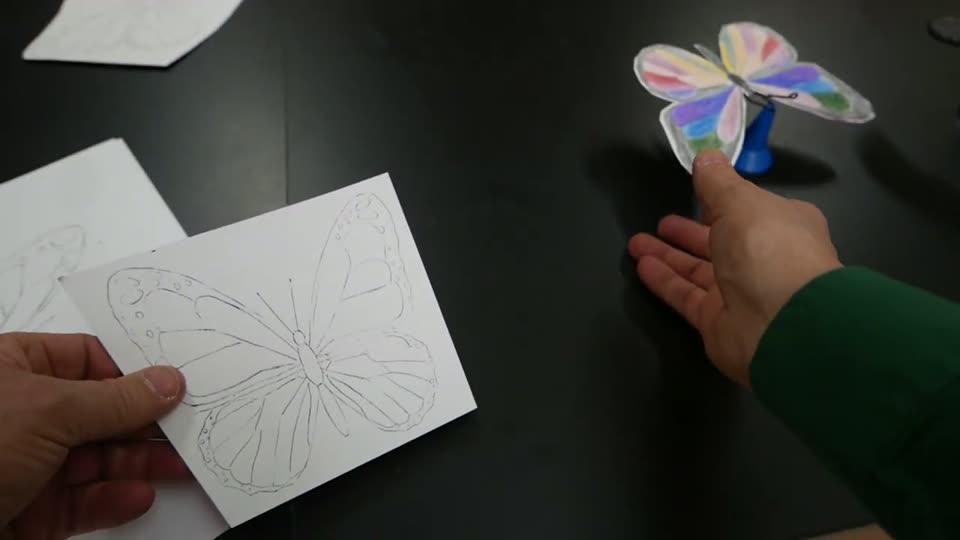
Color the butterfly with markers or colored pencils.
Glue one washer onto the underside of each wing, right at the front tip. Put them the same distance from the head.
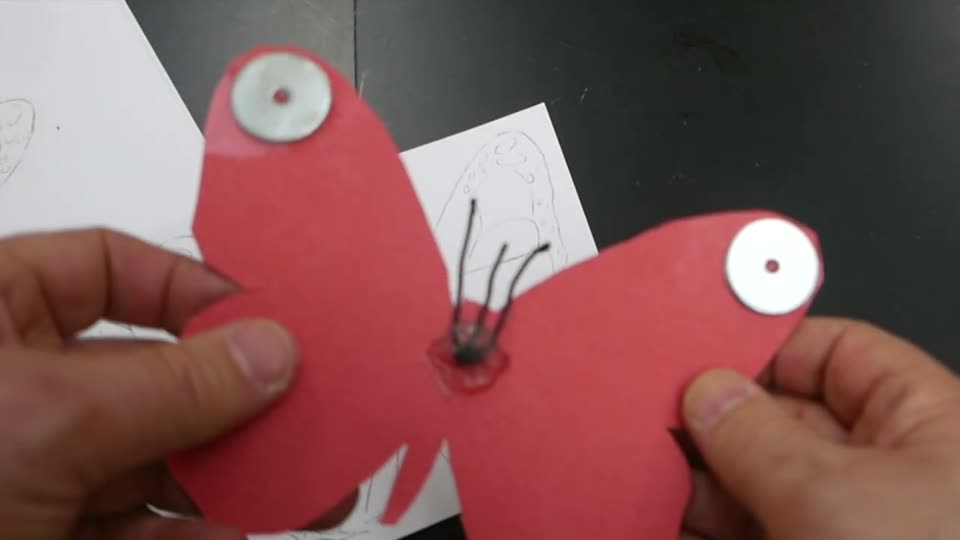
Optional: Glue the three pipe-cleaner pieces at the head so they look like antennae.
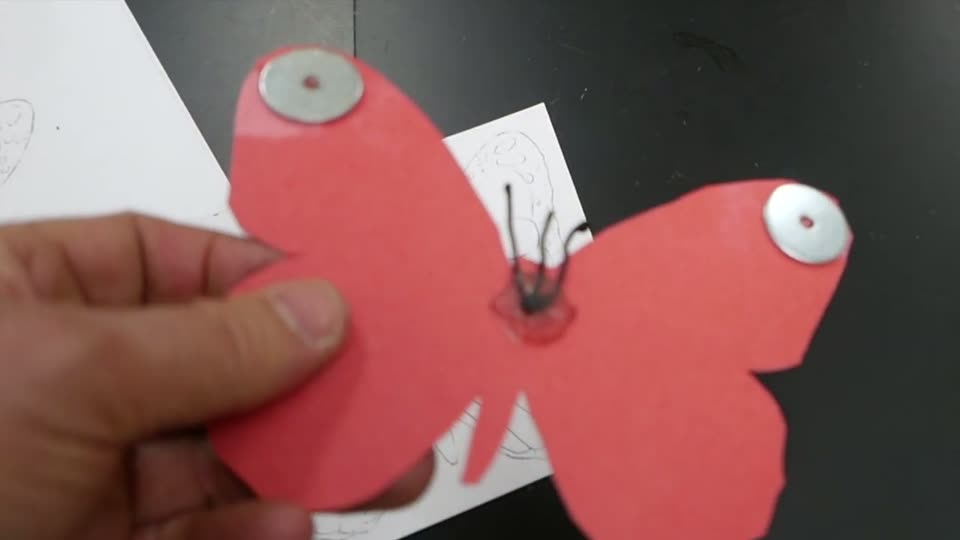
When the glue is dry, gently bend the wingtips down a little.
Rest the butterfly's head on your fingertip and slowly let go.
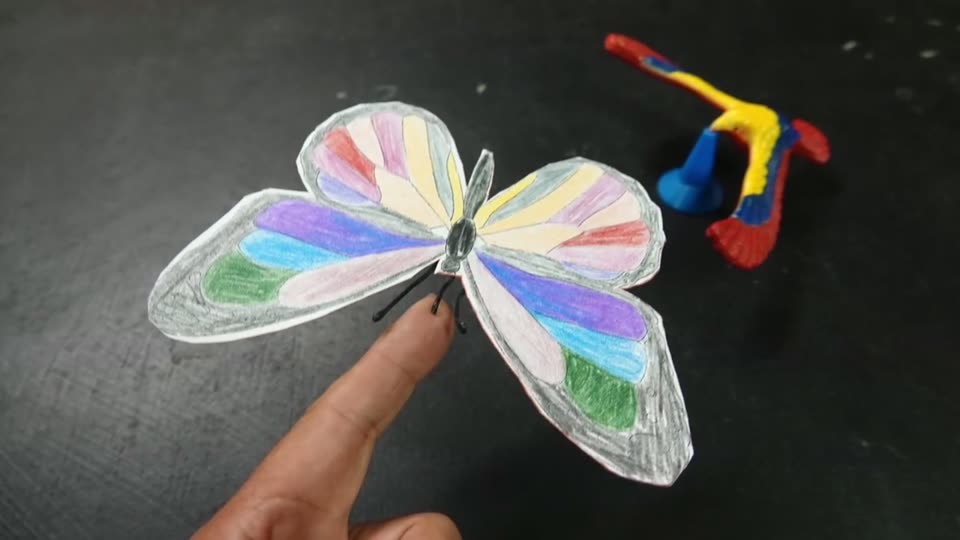
If it tips backward toward its tail, tape a coin under each front wingtip and try again. (The washers are glued, so add weight instead of moving them.)
Balance your butterfly on a pencil eraser or a bottle cap.
Try it & notice
What's going on?
For young scientists
Every object has a balance spot called its center of gravity. It's the point where the object's weight acts as if it were all squeezed into one place. To balance something, you hold it right under (or right over) that spot.
A plain cardboard butterfly balances near the middle of its body, so it would fall off if you held it by the head. The two washers on your butterfly add weight far out in front, and that moves the balance spot forward until it sits right at the head.
Because you bent the wingtips down, the heavy washers hang a little lower than your finger. If the butterfly tips, gravity pulls the washers back down and the butterfly swings back to level. That's why it seems to stay on by magic. A coin on the tail pulls the balance spot backward again, so the butterfly tips off.
For grown-ups & teachers
The toy works by moving the center of gravity (center of mass) to the support point. Gravity pulls on every part of the butterfly; on each side of the support those pulls create torques (turning effects) in opposite directions. When the torques cancel, the toy balances. Adding mass far from the body at the wingtips shifts the center of gravity forward much more than the same mass placed near the body would.
Stability is the key idea. In Part One Bruce balances a hammer on a bar (support under the center of gravity) and then hangs it from a string (support above the center of gravity). The butterfly, the commercial balancing eagle and Bruce's tweety boppers all work in the second way: the center of gravity sits at or below the pivot. Any tilt raises the center of gravity, so gravity produces a restoring torque and the toy swings back. If the center of gravity is above the pivot, any tilt lowers it and the toy falls.
A common misconception is that the support must be in the middle of the object. The center of gravity doesn't even have to be on the object: in Part Two, Bruce's two-pencil balancer and the tweety bopper's coat-hanger wire both have their center of mass in empty space below the support. Shorten one pencil and the toy tilts by itself until the new center of mass is directly under the support.
To extend it: hang the cardboard butterfly from a pin with a weighted thread (a plumb line) from two different points and mark where the lines cross to find its center of gravity, before and after adding washers. Older students can compare a flat butterfly with one whose wingtips droop to see how lowering the center of gravity makes it more stable, or build a tweety bopper to look at rotational inertia and harmonic motion.
NGSS performance expectations
- 3-PS2-1 Plan and conduct an investigation to provide evidence of the effects of balanced and unbalanced forces on the motion of an object.
- 5-PS2-1 Support an argument that the gravitational force exerted by Earth on objects is directed down.
- 3-5-ETS1-2 Generate and compare multiple possible solutions to a problem based on how well each is likely to meet the criteria and constraints of the problem.
Science words
Tips from 41 years of teaching it
Bruce's files on balancing focus on one classic puzzle he pushed further than most: balancing a pile of nails on the head of a single nail.
- The classic version uses twelve 8-inch nails: lay one nail flat, lay 10 nails across it with their heads alternating sides, then lay one more nail on top. Lift them together and the whole bundle balances on the head of one upright nail.
- As you lift, squeeze the top and bottom nails together so the others stay in place.
- It balances for the same reason as the butterfly: the nails hanging down on both sides put the bundle's center of gravity right at the point of support.
More to try
- Go to 23 nails: build the 12-nail bundle, lay a second row of nails across the top nail (again alternating directions), and cap it with one more nail.
- Try the smallest nails you can find. Bruce found 1-inch nails the hardest of all to balance.
- Find the center of gravity of other hand-held objects, or build a hanging mobile where every arm balances.
Make it a challenge
Balancing pencils
Push two pencils into a short stick or cork at an angle so they hang down, then balance the point on top of an upright pencil. Swap one pencil for a shorter one and watch the whole thing tilt to find its new balance.
Tweety boppers
A grown-up cuts and bends a coat hanger into a wide arch, and you press a ball of clay onto each end. Balance it on a bottle top, or on your head, and turn around while it stays still.
Wire animals
Bend wire around a printed outline of a dolphin or dragonfly, add a long curved balancing wire with a paperclip or nut on the end, and balance it on a ruler.
Foam board tiger
Glue a picture to each side of foam board, cut it out, and poke a bent wire with a steel nut through the foot. Bend the wire until the tiger balances in a leaping pose.
Balance a hammer
With a grown-up, balance a hammer on a bar from below, then hang it from a string loop on a ruler. Which way is steadier, and why?
More from Bruce